[ad_1]
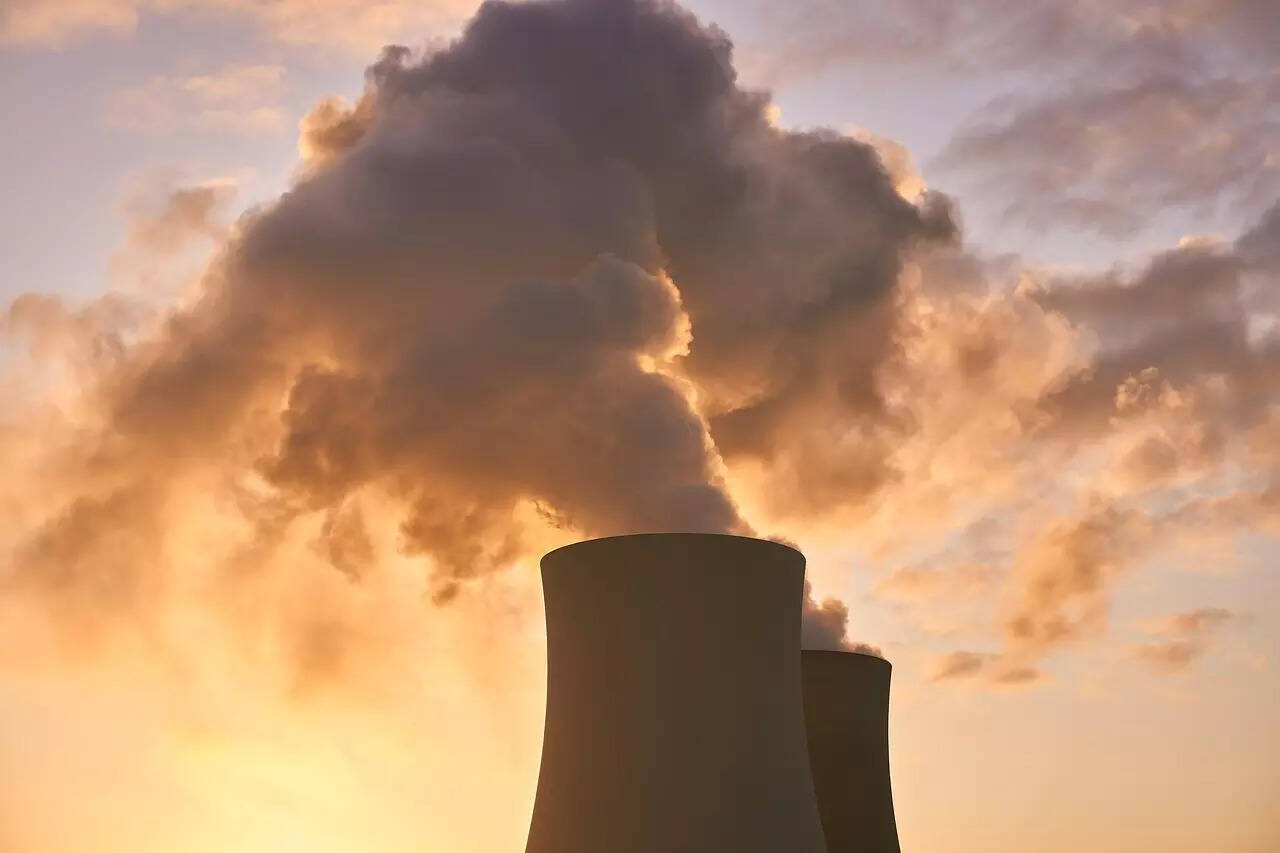
JSW Energy is positioning nuclear energy as a cornerstone of India’s clean, round-the-clock power future, aligning its strategy with the country’s ambitious target of 100 GW of nuclear capacity by 2047, senior company officials said during a panel on ‘Charting the World Nuclear Revival’ at India Energy Week 2026 in Goa on Wednesday.
Neeraj Agarwal, president – nuclear energy, JSW Energy, said that India’s development aspirations demand a sharp rise in electricity consumption.
“India’s per capita power consumption is about 1,500 kWh today. To become a developed country, it must rise to at least 4,000–4,500 kWh,” he said, stressing that such growth cannot rely on intermittent sources alone.
With India also targeting carbon neutrality by 2047, Agarwal said that nuclear power uniquely meets the requirement for clean, 24×7 baseload electricity at competitive prices. “If we want to be carbon-free and still have reliable power, nuclear fits the bill,” he said.
Under the government’s framework, NPCIL will build 50 GW, NTPC 30 GW, and the remaining 20 GW will come from private players, opening a significant opportunity for companies like JSW. Agarwal said that JSW Energy has both captive and commercial ambitions, driven partly by the need to produce green steel for export to European markets. “For our steel plants alone, we need about 1.4 GW of reliable power, which can also be used for commercial supply,” he noted.
The company is evaluating 700 MW pressurised heavy water reactors (PHWRs), an indigenous technology with an established domestic supply chain. “The ecosystem to build PHWRs already exists in India, which gives us confidence on timelines and costs,” Agarwal said.
In parallel, they are also in discussions with international technology providers, including large reactors and small modular reactors, to achieve economies of scale. Construction of JSW’s first nuclear projects could begin in three to four years, subject to land acquisition and regulatory approvals, he said.
Agarwal emphasised that international collaboration will be central to success. “We are not looking for technology transfer, but technology collaboration,” he said, adding that access to long-term finance, green taxonomy recognition, and global management expertise will be critical to bringing plants online on time and lowering per-unit costs.

[ad_2]
Source link