[ad_1]
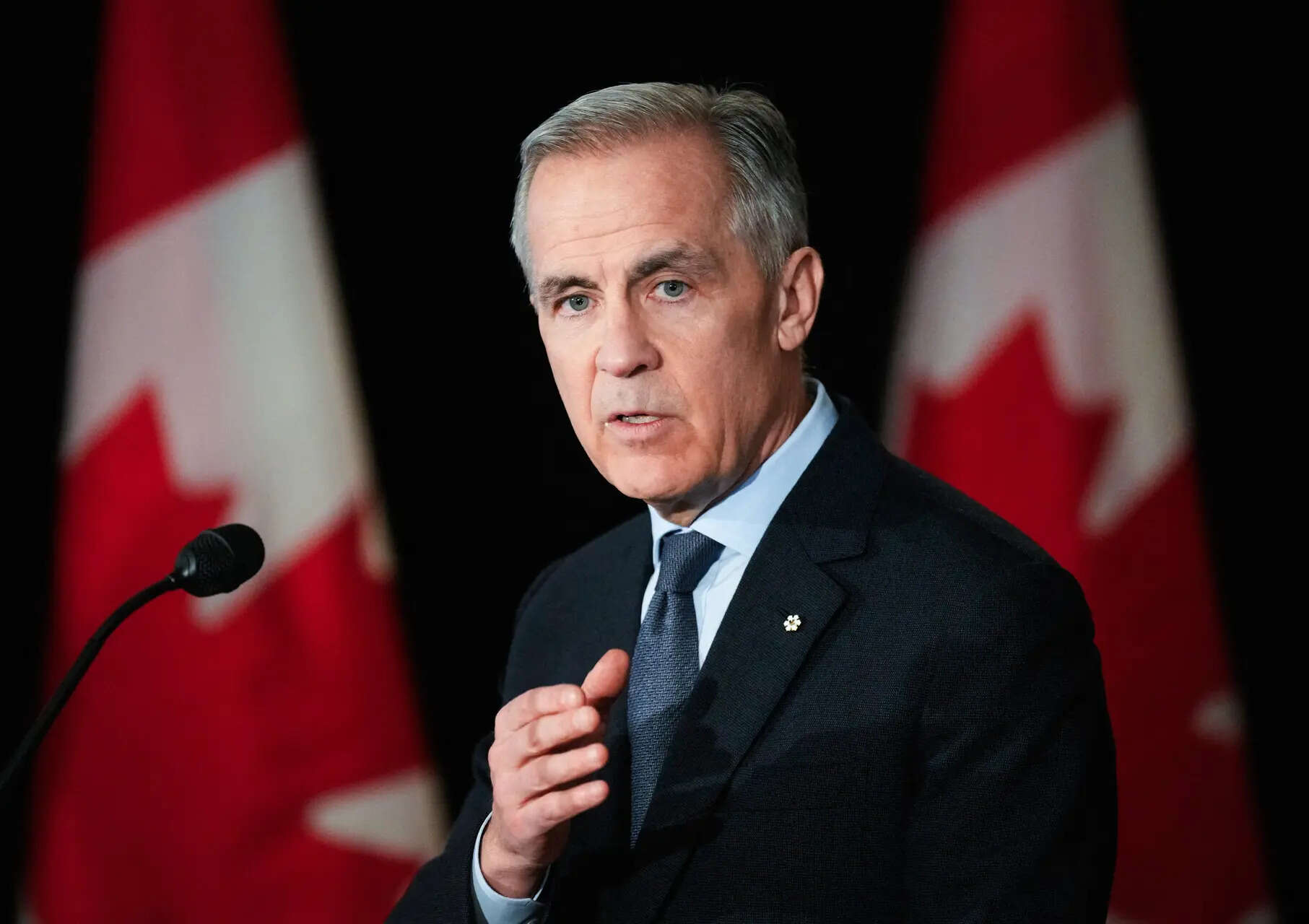
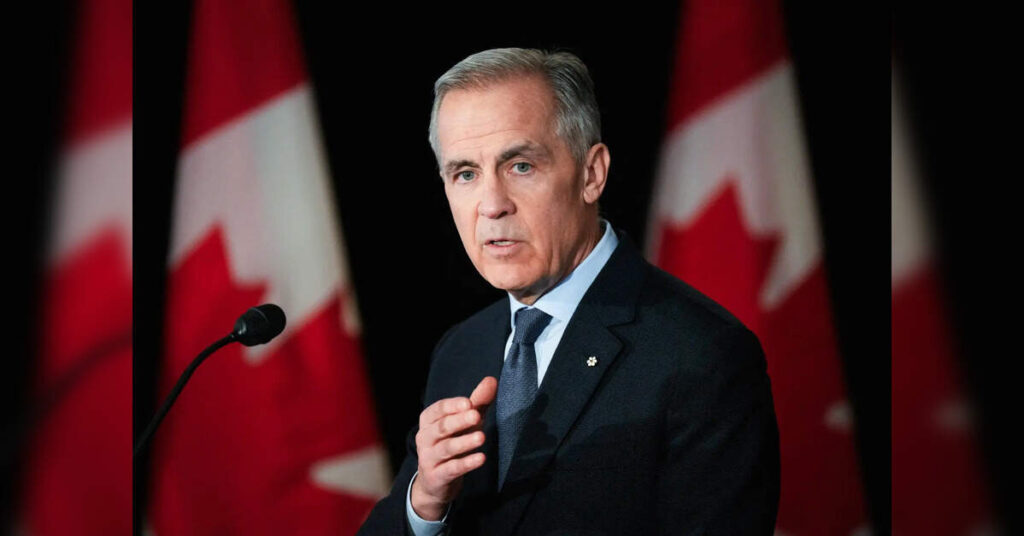
New Delhi: A 10-year deal on uranium supply to India can be the biggest outcome of Canadian PM Mark Carney’s proposed India visit in the first week of March.
The visit may also seal deals for long-term energy supplies – crude oil, LPG and LNG – besides critical minerals. But the uranium supply deal, worth 2.8 billion Canadian dollars, is likely to be the highlight of the trip that would seek to reset bilateral ties, which touched a low under Justin Trudeau’s premiership.
Canada is the world’s second-largest uranium producer, accounting for 13 per cent to 15 per cent of the global output. Roughly 80 per cent to 85 per cent of produced uranium is exported to fuel nuclear reactors in the US, Europe and Asia. Canada possesses the world’s third or fourth largest proven oil reserves, primarily from its vast oil sands in Alberta, holding around 163-170 billion barrels. It also possesses natural gas reserves – ranked 16th globally – estimated at over 1,000 trillion cubic feet.
Ahead of Carney’s visit, NSA Ajit Doval as well as senior ministers are expected to visit Ottawa for negotiations to firm up the agenda for the visit.
Canada’s energy minister Tim Hodgson, who is visiting India this week, has said the discussions would include nuclear cooperation under the existing Canada-India nuclear agreement. He said energy and mining would be key areas of engagement, including potential crude oil and LNG transactions.
Formal negotiations for a Comprehensive Economic Partnership Agreement (CEPA) between India and Canada are expected to begin in March, India’s high commissioner to Canada Dinesh Patnaik recently told news agency Reuters. He claimed that CEPA could be concluded within a year of the talks starting. Trade talks had stalled for nearly two years before both sides agreed to revive them in November.

[ad_2]
Source link